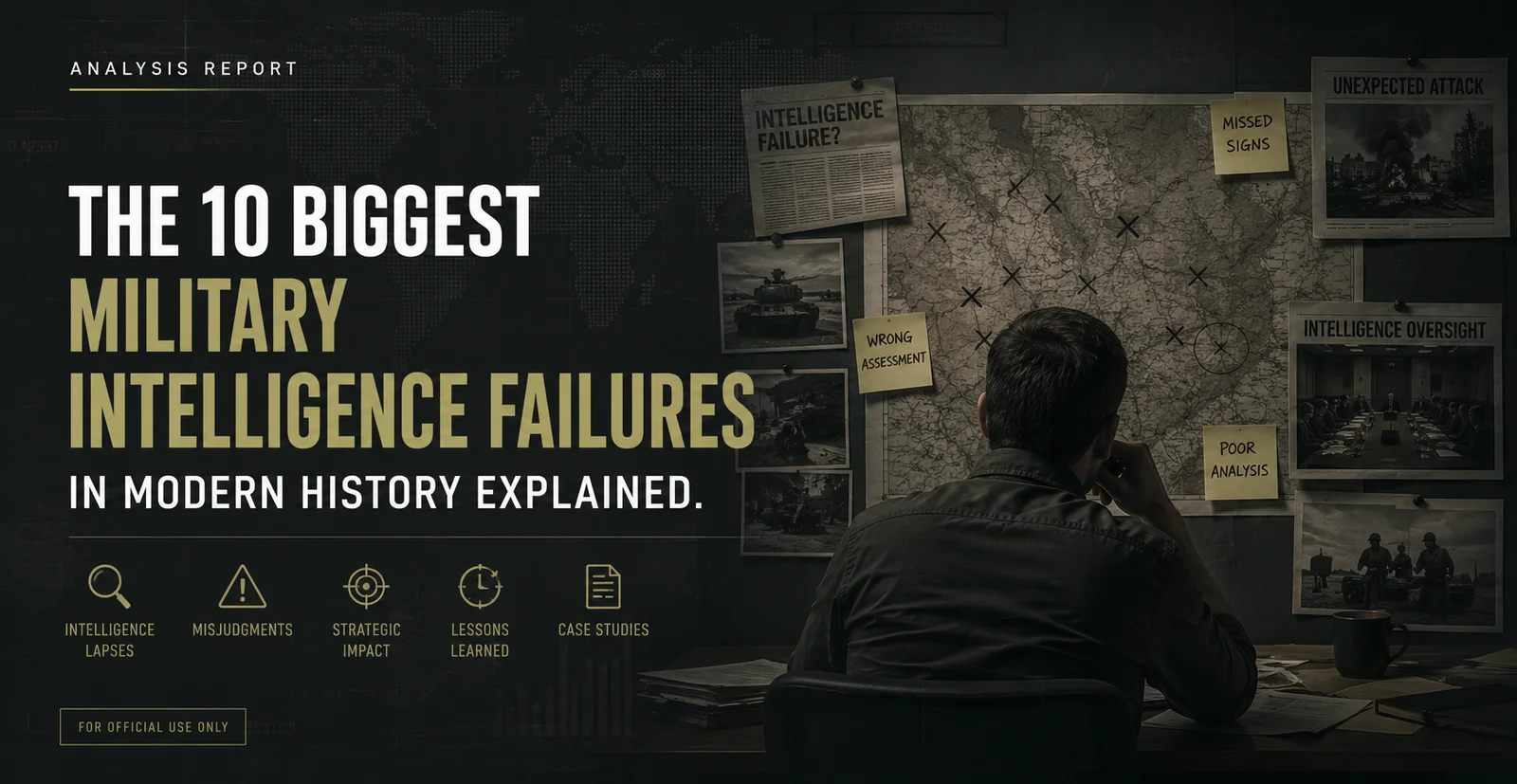
The 10 Biggest Military Intelligence Failures in Modern History Explained
Military history is often recorded through victories, tactical brilliance, and grand strategy. Yet behind many of history's most catastrophic defeats lies a quieter, more insidious culprit: the intelligence failure.
Intelligence failures are rarely caused by a total lack of information. More often, they stem from a failure of imagination, systemic communication breakdowns, or cognitive biases that lead decision-makers to discard uncomfortable truths. As political scientist Robert Jervis noted, intelligence is an asymmetrical game between hiders and finders—and the hiders usually hold the advantage.
When intelligence machinery breaks down, the cost is measured not merely in paper or prestige, but in thousands of lives and altered geopolitical destinies. This article examines the 10 most prominent military intelligence failures of the modern era, analysing why they occurred and the enduring lessons they leave behind.
📋 How We Evaluated This
- Strategic Magnitude: The degree to which the intelligence oversight altered the course of a battle, conflict, or international order.
- Warning Availability vs. Action: The disparity between the quantity/quality of warnings available before the event and the failure of leadership to act upon them.
- Institutional and Cognitive Breakdown: The presence of clear systemic flaws—such as mirror-imaging, rigid assumptions ("The Concept"), inter-agency siloing, or political pressure.
- Historical Legacy: The extent to which the failure served as a watershed moment for modern intelligence reform and military theory.
Initial Phase of the Russian Invasion of Ukraine (2022)

Iraq WMD Assessment (2003)
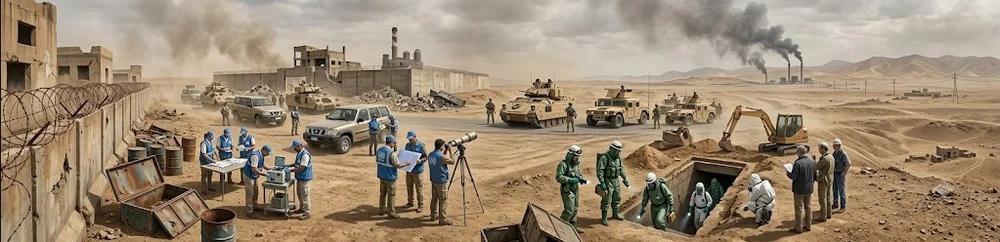
9/11 Attacks (2001)

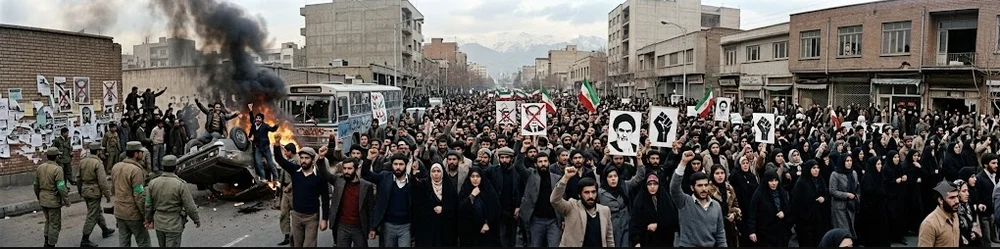
Iranian Revolution (1979)
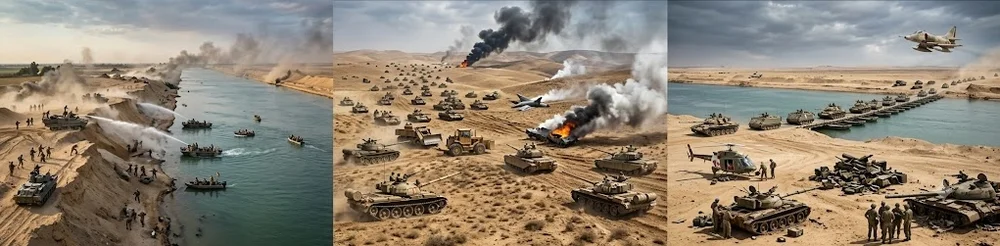
Yom Kippur War (1973)
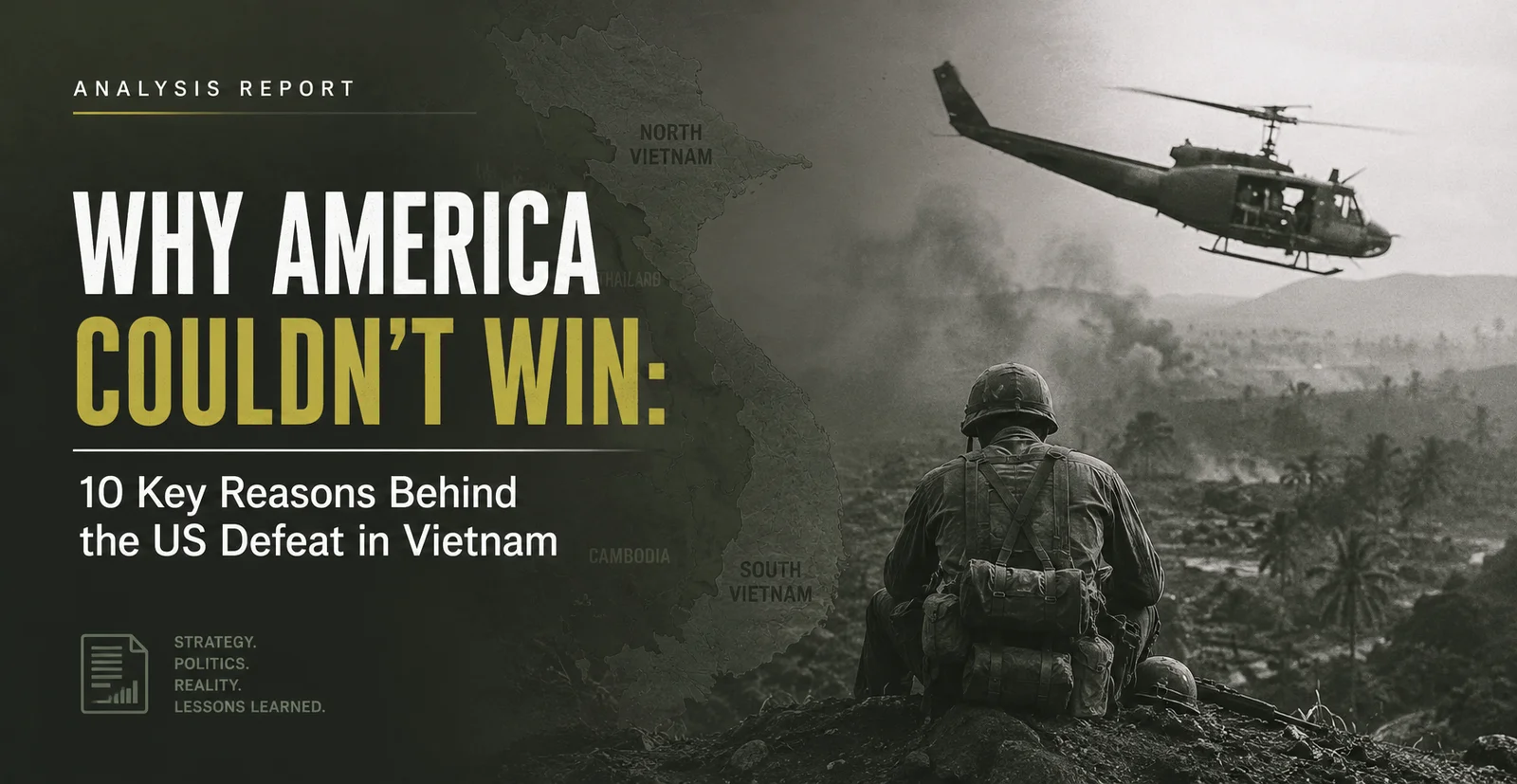
Tet Offensive (1968)
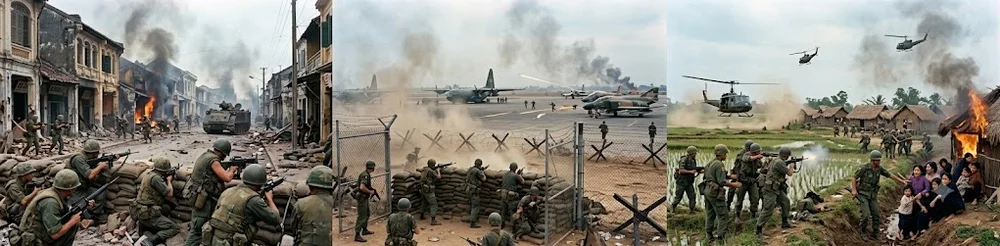
Bay of Pigs Invasion (1961)
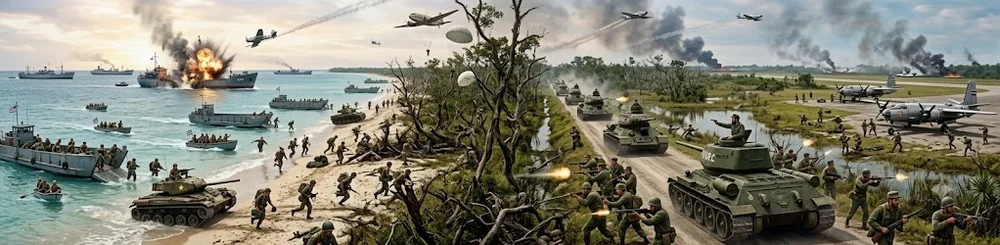
Battle of the Bulge (1944)
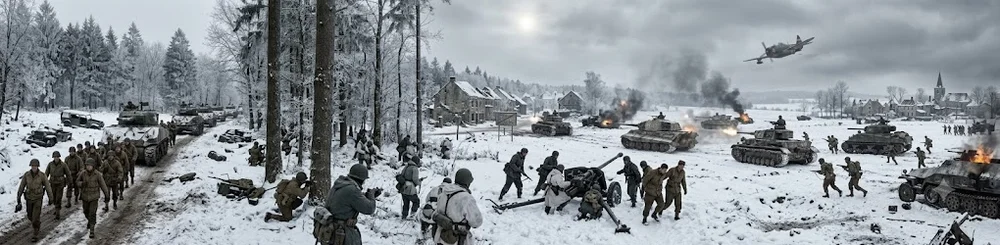
Operation Barbarossa (1941)
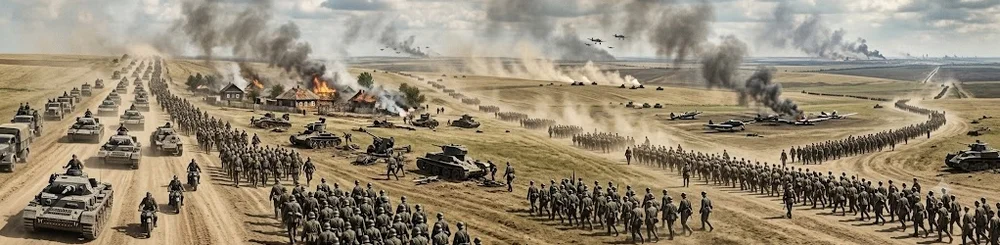
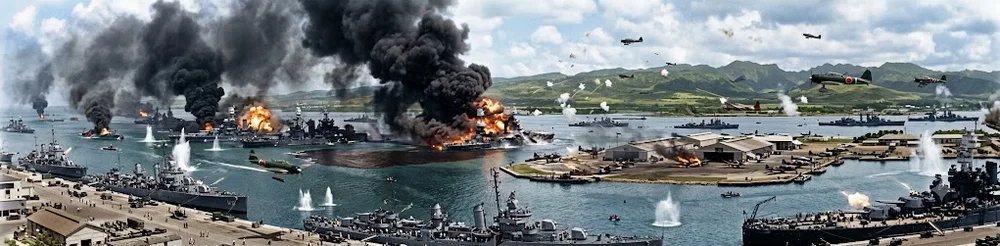
Pearl Harbor (1941)
Conclusion
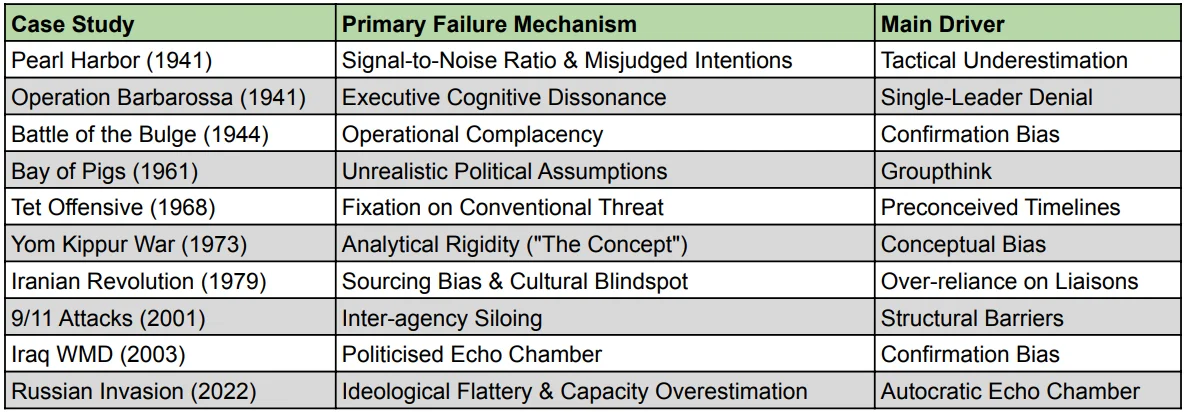
The 10 Most Prominent Military Intelligence Failures
- Pearl Harbor (1941)
- Operation Barbarossa (1941)
- Battle of the Bulge (1944)
- Bay of Pigs Invasion (1961)
- Tet Offensive (1968)
- Yom Kippur War (1973)
- Iranian Revolution (1979)
- 9/11 Attacks (2001)
- Iraq WMD Assessment (2003)
- Russian Invasion of Ukraine, Initial Phase (2022)
- Mirror-Imaging: Assuming an adversary will think and act like oneself.
- Confirmation Bias: Filtering out intelligence that contradicts pre-existing strategic theories or political mandates.
- Institutional Barriers: Preventing disparate agencies from communicating effectively in real time.
- Authoritarian Echo Chambers: Telling leaders what they wish to hear rather than what is actually happening on the ground.
💬 Comments (0)
No comments yet. Be the first to share your thoughts.